
No one is safe until everyone is included.
01
The Problem
In Makassar, disaster warnings still miss people with disabilities. Sirens can’t be heard, visuals can’t be seen, and evacuation routes aren’t accessible.
02
Our Approach
We work with Blind, Deaf, and Mobility-impaired communities to design inclusive warning and evacuation systems that everyone can use in a crisis.
03
Why It Matters
No one should be left behind. Inclusive disaster systems save lives. Resilience for all starts with access for all.
Resilience for all begins with disaster systems that everyone can hear, see, and reach.
SAFE: Sustainable Adaptation for Everyone
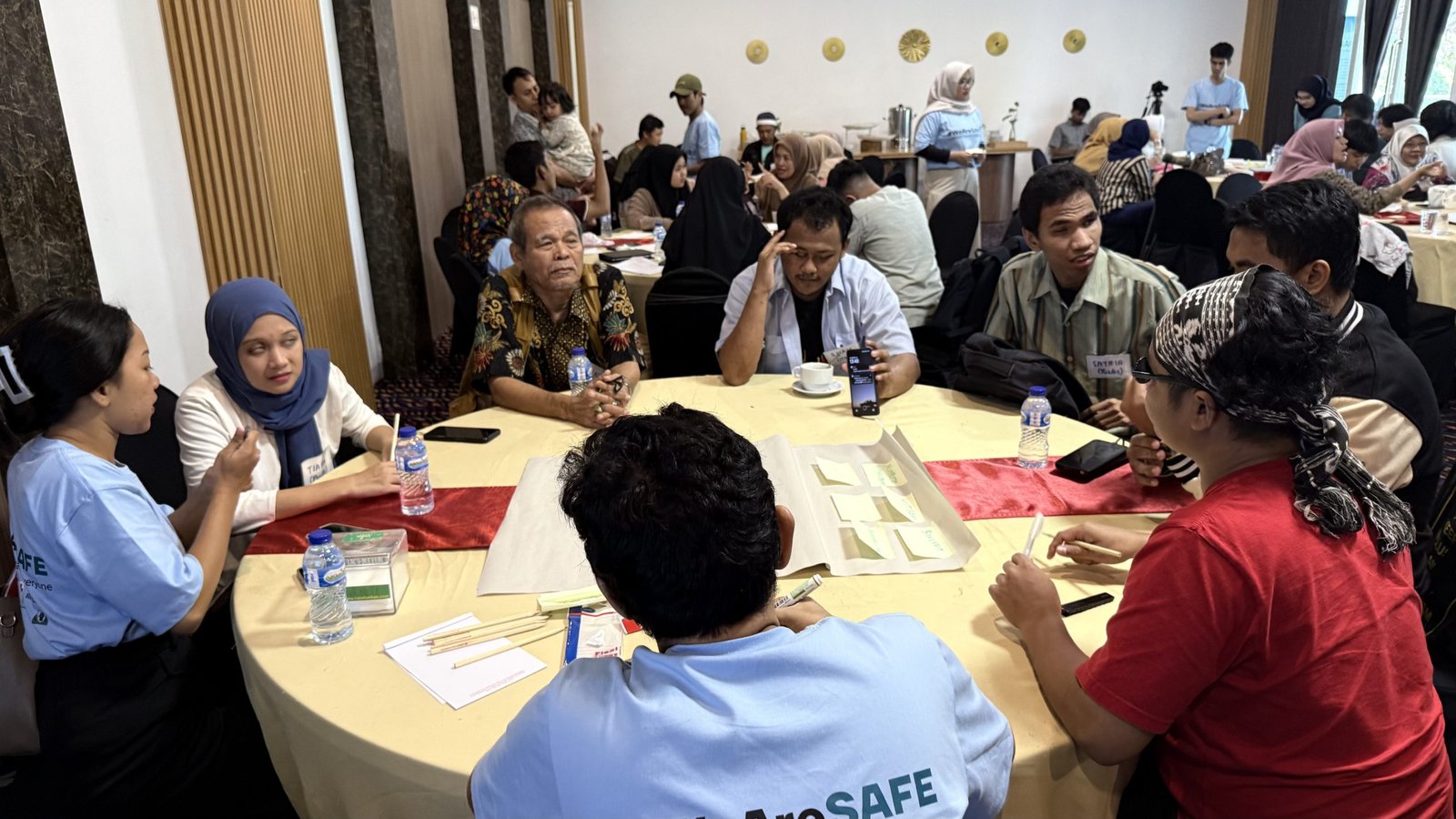
Makassar’s rising seas and extreme weather put vulnerable communities, especially people with disabilities at greater risk. Current disaster systems often overlook their needs. SAFE is here to change that.
What We’re Doing
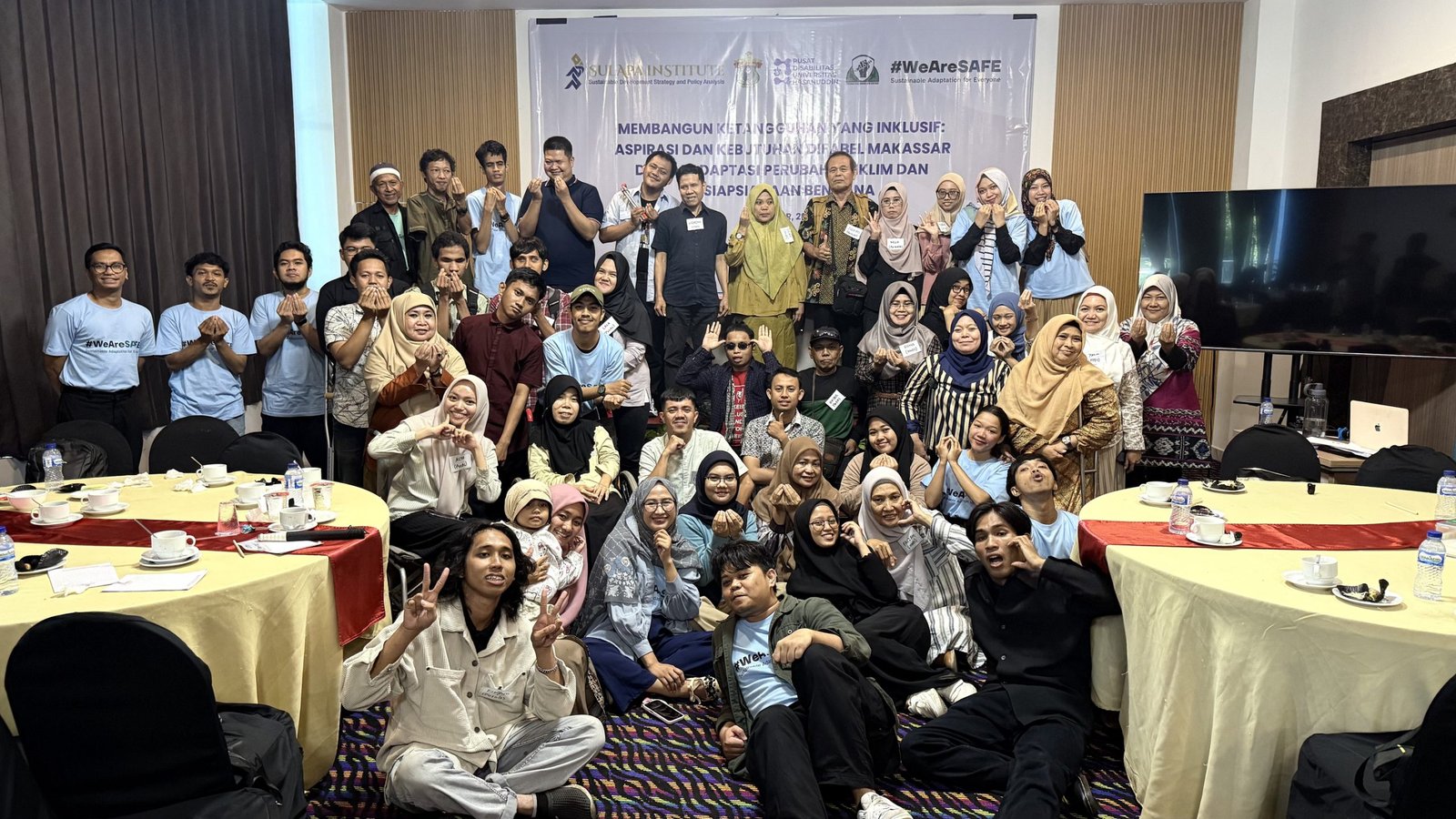
In 2025, we’re working directly with disability communities to map climate challenges, close accessibility gaps, and co-design inclusive solutions. Through surveys, focus groups, and collaborative design, we’re building strategies that work for everyone.
What Come Out of It
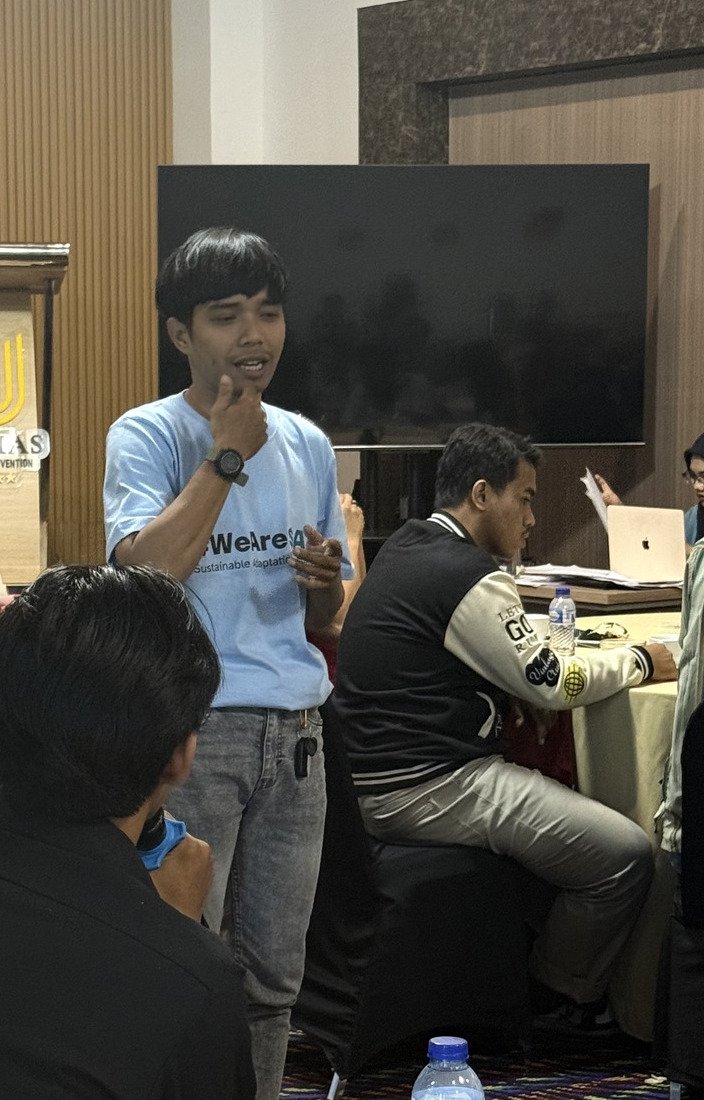
Clear, community-driven recommendations for policymakers. An actionable adaptation framework that puts inclusion first. Research shared locally, nationally, and internationally to inspire change.
What We Learned
One-size-fits-all disaster systems fail to protect everyone.
Accessibility must be built into every step from alerts to shelters.
Inclusive systems improve safety for all residents, not just people with disabilities.

 English
  Indonesian